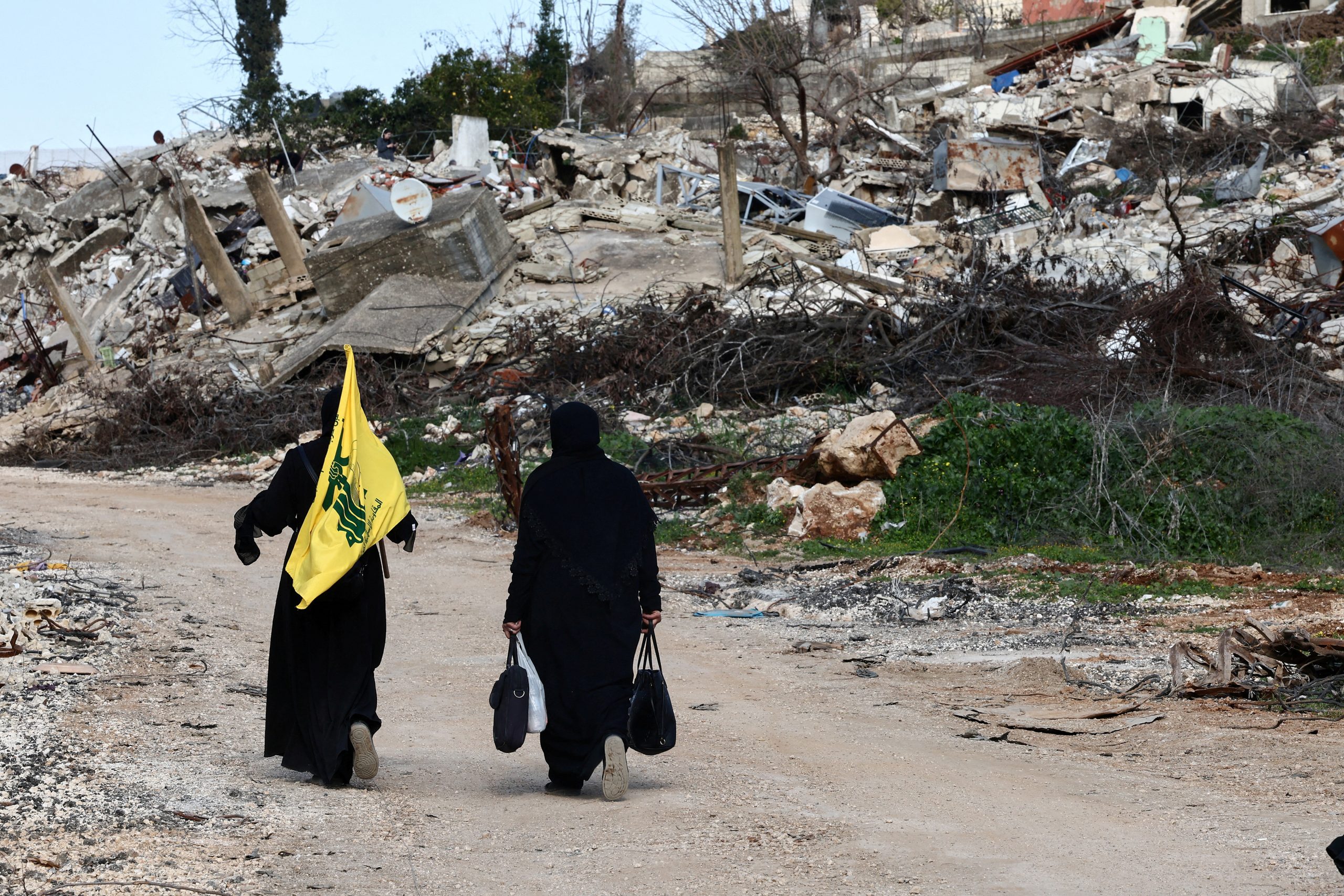


Lebanon’s younger generation is often accused of political apathy. But apathy is not the problem. Disappointment is. Raised during economic collapse, institutional paralysis, and national uncertainty, many young Lebanese have learned to question a system that has repeatedly failed them.
Yet disengaged they are not. This generation is informed, vocal, and connected. They organize online, challenge narratives in real time, and demand transparency with a boldness that previous generations did not always have the tools to express. Their political engagement may not always fit traditional party structures, but it is real and it is growing.
What they reject is not politics itself, but corruption, stagnation, and exclusion. Trust cannot be demanded. It must be earned. If Lebanon’s political institutions seek renewal, they must open doors, modernize discourse, and recognize youth as partners rather than spectators.
Lebanon’s future will be written by this generation. The real question is whether the system will evolve in time to keep them invested in it.