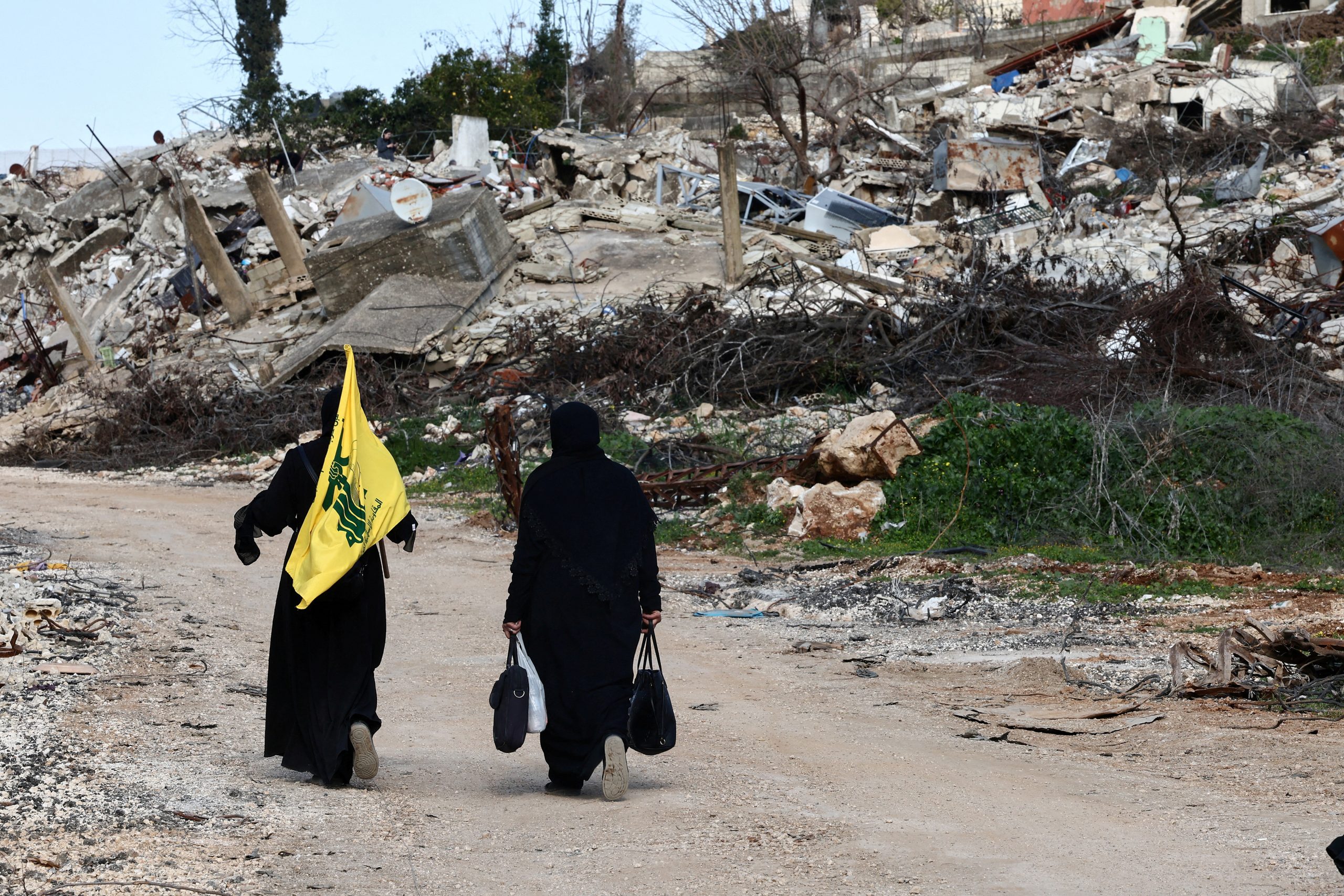

As tensions rise across the Middle East, Lebanon once again finds itself at the center of regional and internal strain. Security developments along the southern border and the broader climate of instability have reignited one of the country’s most sensitive debates: who holds the authority over war and peace.
In recent statements, ministers affiliated with the Lebanese Forces described the armed status of Hezbollah as operating outside the authority of the state, calling for all weapons to fall exclusively under official institutions. Their position reflects a growing political push to reinforce the principle that only the Lebanese state should control security decisions.
Beyond political circles, most Lebanese citizens are exhausted by years of economic collapse, instability, and the lingering fear of renewed conflict , have expressed frustration at the possibility of being drawn into another war. Public discourse, both on the streets and across social platforms, increasingly centers on one demand: stability and peace. For a population already burdened by financial hardship and institutional paralysis, the priority is preserving security and protecting what remains of normal life.
At this pivotal moment, Lebanon’s path forward will depend not only on political leadership, but on its ability to respond to the collective demand of its people: peace, stability, and the restoration of state authority.