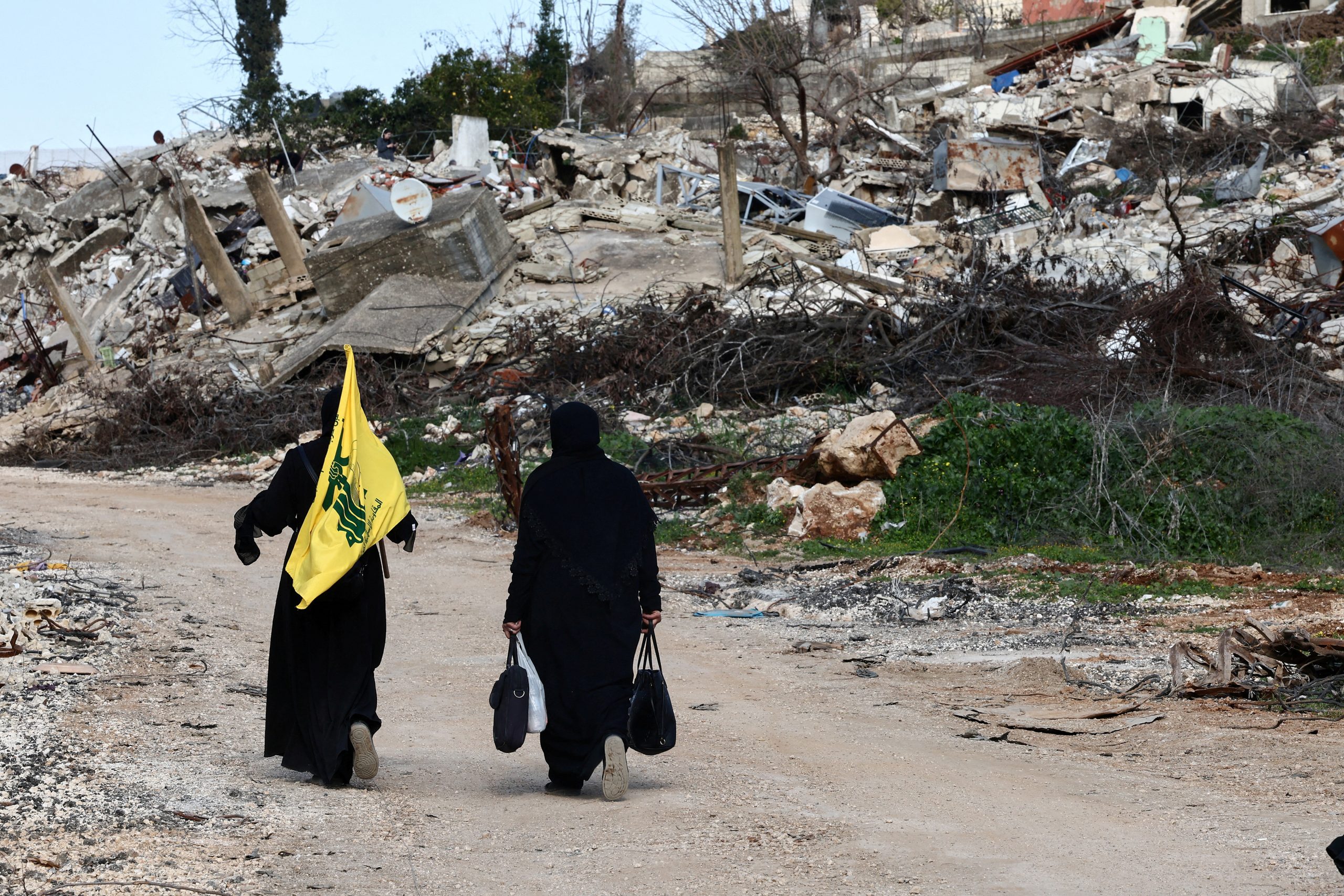

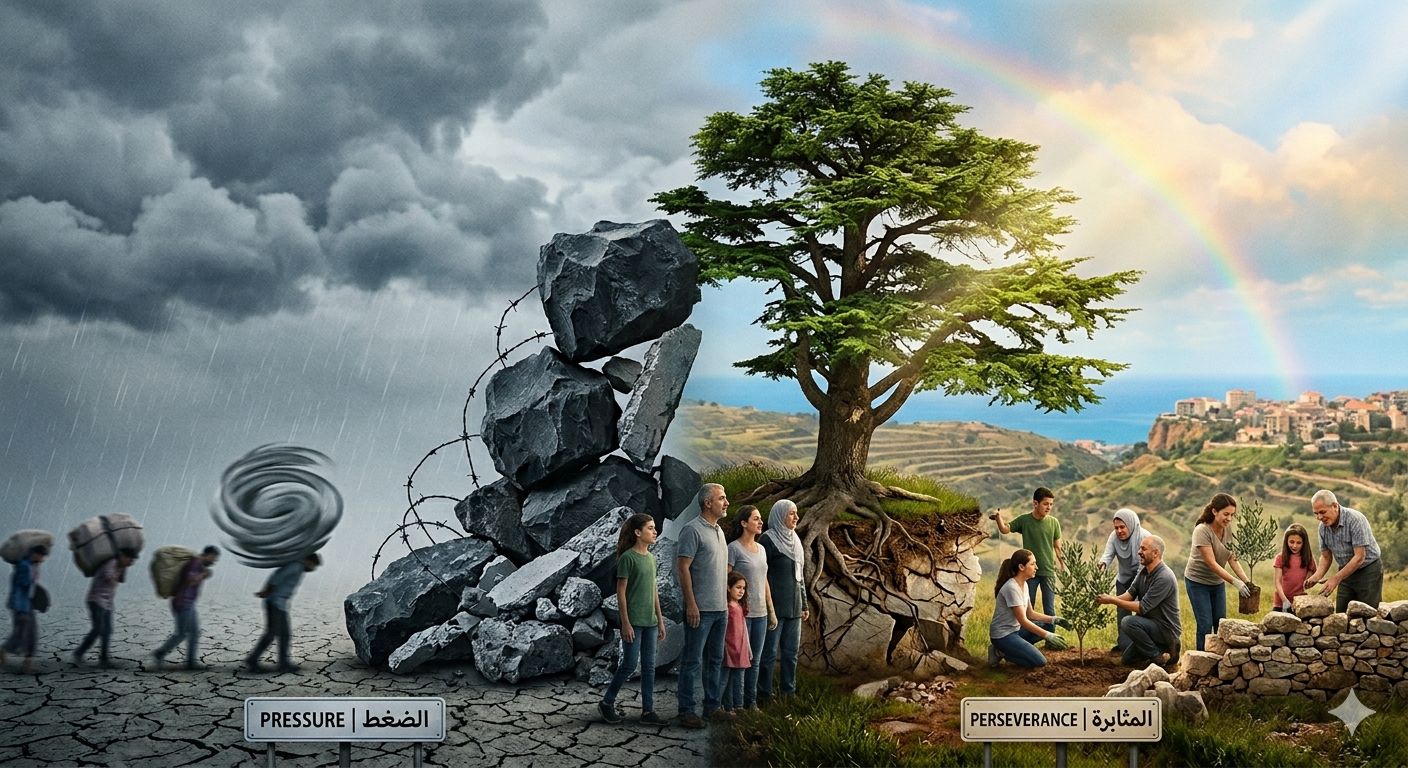
Lebanon continues to navigate one of the most difficult periods in its modern history, shaped by political instability, economic collapse, and ongoing regional tensions. These overlapping crises have deeply affected daily life, from the value of the currency to access to essential services, making routine living increasingly challenging for many households.
The economic situation has been especially severe, with financial losses, rising costs, and weakened public systems placing pressure on families and businesses alike. Basic services such as electricity, healthcare, and education have become less reliable, pushing many people to rely on private solutions or personal networks to fill the gaps.
Politically, the country remains marked by division and slow decision-making. Long-standing disagreements between political groups have led to delays in reforms and limited progress on structural change. This has contributed to growing frustration among citizens and a sense of uncertainty about the country’s direction.
Yet despite these challenges, Lebanon continues to show strong social resilience. People adapt in creative and practical ways, whether through small businesses, community support systems, or personal initiative. Families and local networks often become the backbone of survival in the absence of strong state support.
Lebanon today is defined by contrast, crisis and endurance existing side by side. While the situation remains difficult and uncertain, the persistence of its people reflects a continuous effort to maintain stability and hope in an unstable environment.