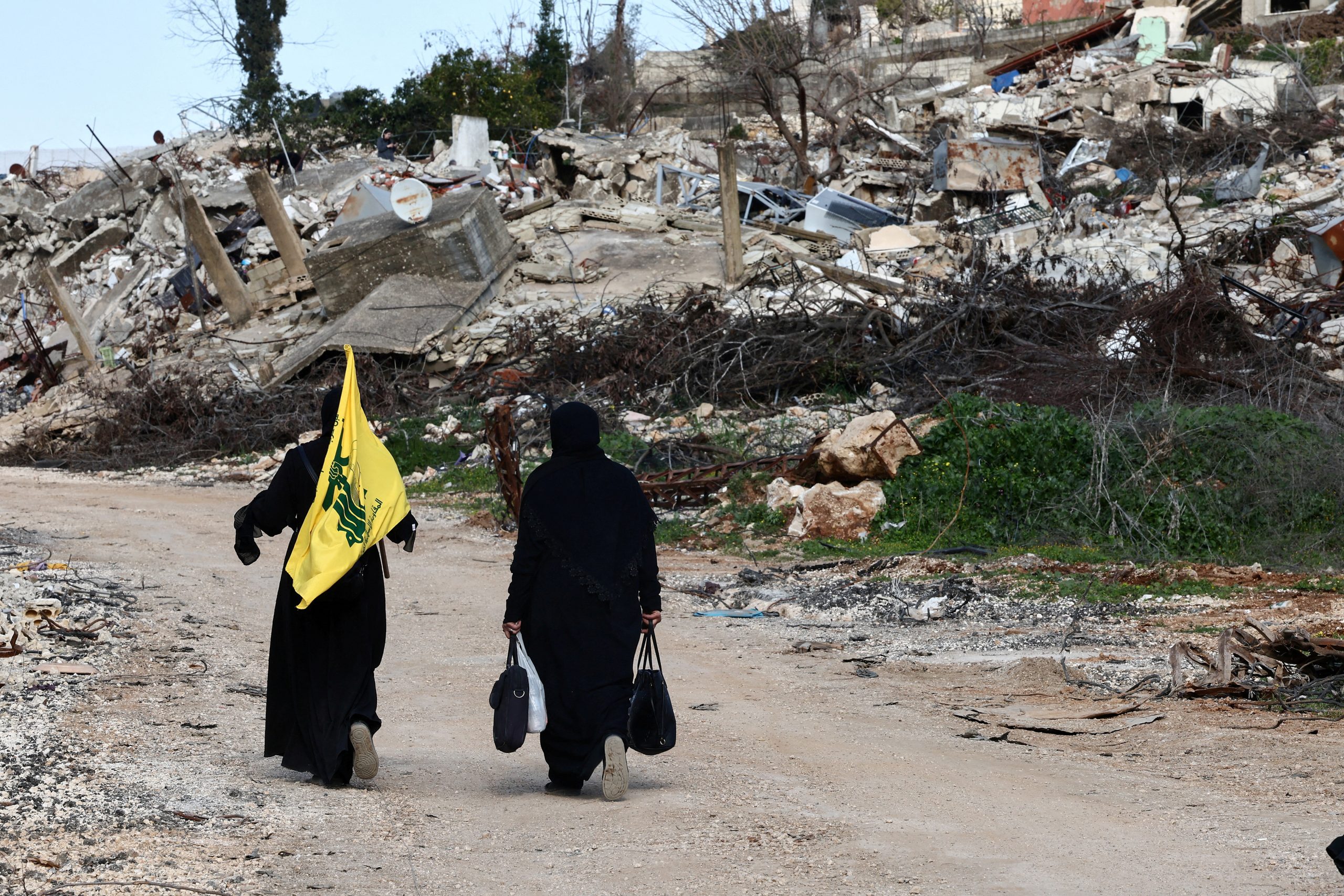

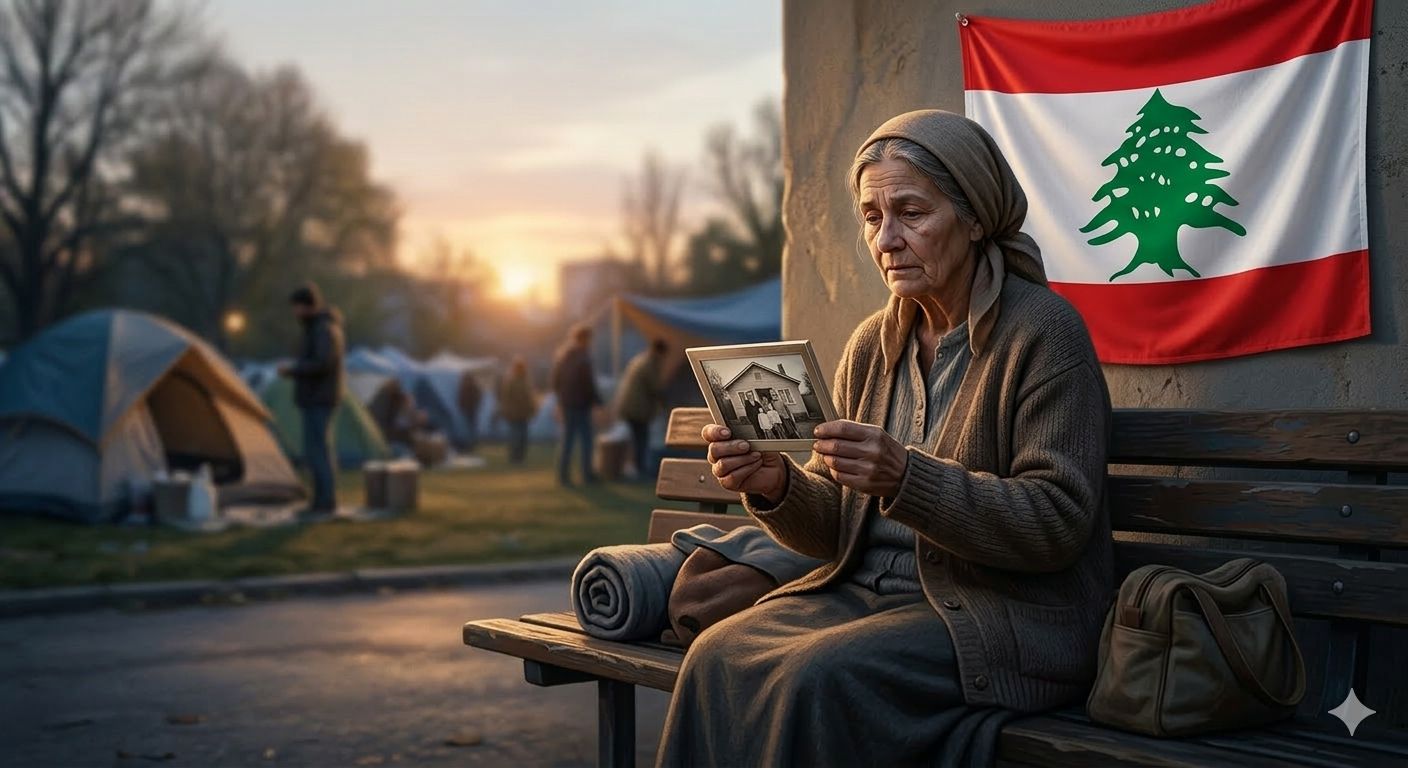
War does more than take people from their homes. It unsettles the mind and breaks the quiet sense of safety we rarely notice until it’s gone. For those who are displaced, home becomes a feeling they are trying to carry, not a place they can return to.
Displacement is deeply psychological. Many live with anxiety, emotional exhaustion, or symptoms linked to Post-traumatic stress disorder. There is also a quieter kind of pain, the grief of what still exists but can no longer be reached. A house stands, a life remains, but neither feels like it belongs to them anymore.
Empathy matters here. Not as pity, but as presence. To listen without rushing, to see people as more than their circumstances, to understand that reactions shaped by trauma are not weakness but survival.
Healing does not move in a straight line. Some days feel lighter, others heavy again. Still, in the middle of uncertainty, there is resilience. Not loud or dramatic, but steady. The strength to keep going, to rebuild small pieces of normal life, to hold on to who they are.
Empathy cannot bring back what was lost. But it can remind someone that they are not lost too.